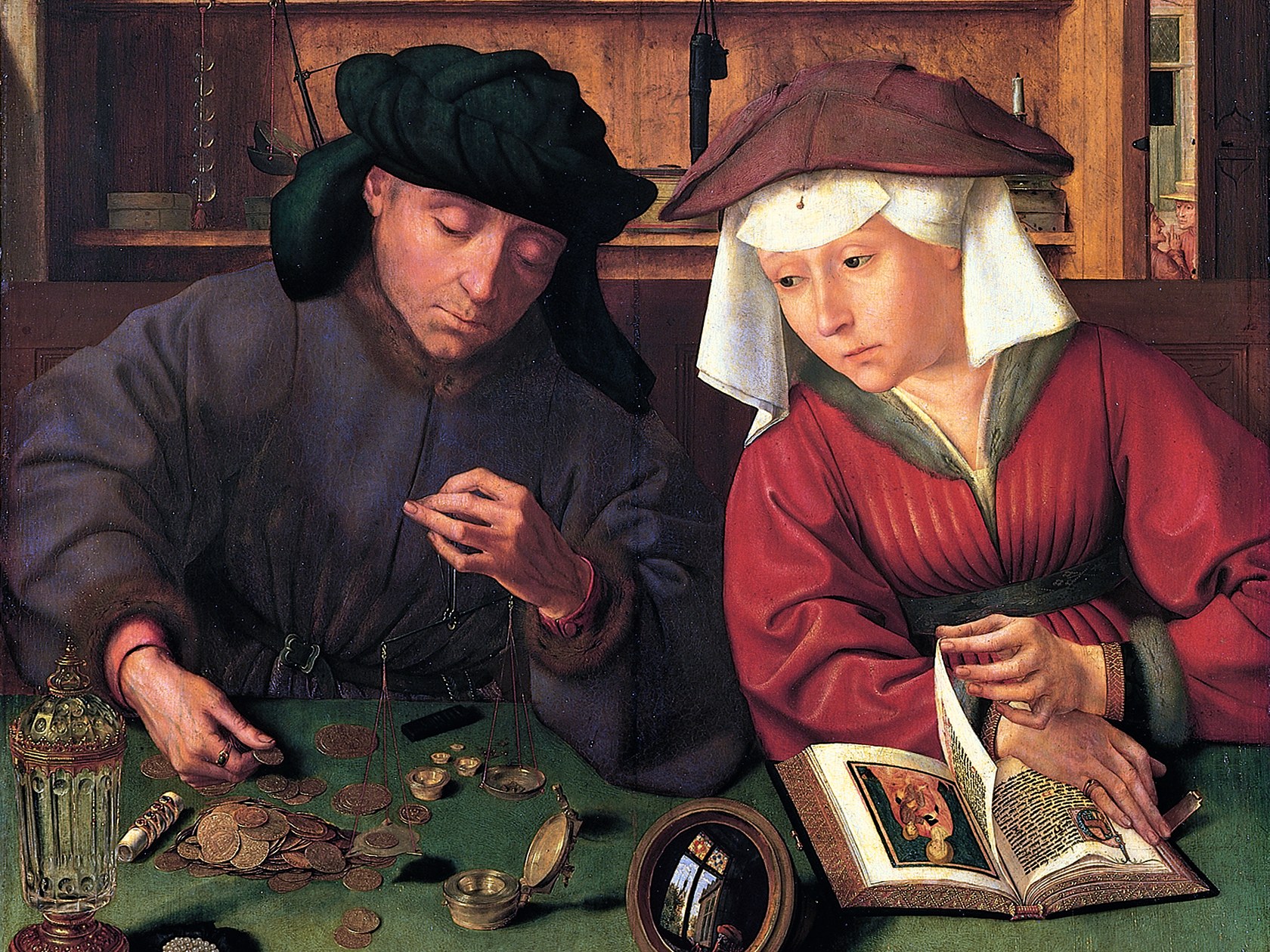
Capitalism and Modern Society (University of Bremen)
This course explores central perspectives on the relationship between economy and society, from the origins of liberal economic thought to more recent theories of democratic capitalism.
This course explores central perspectives on the relationship between economy and society, from the origins of liberal economic thought to more recent theories of democratic capitalism.
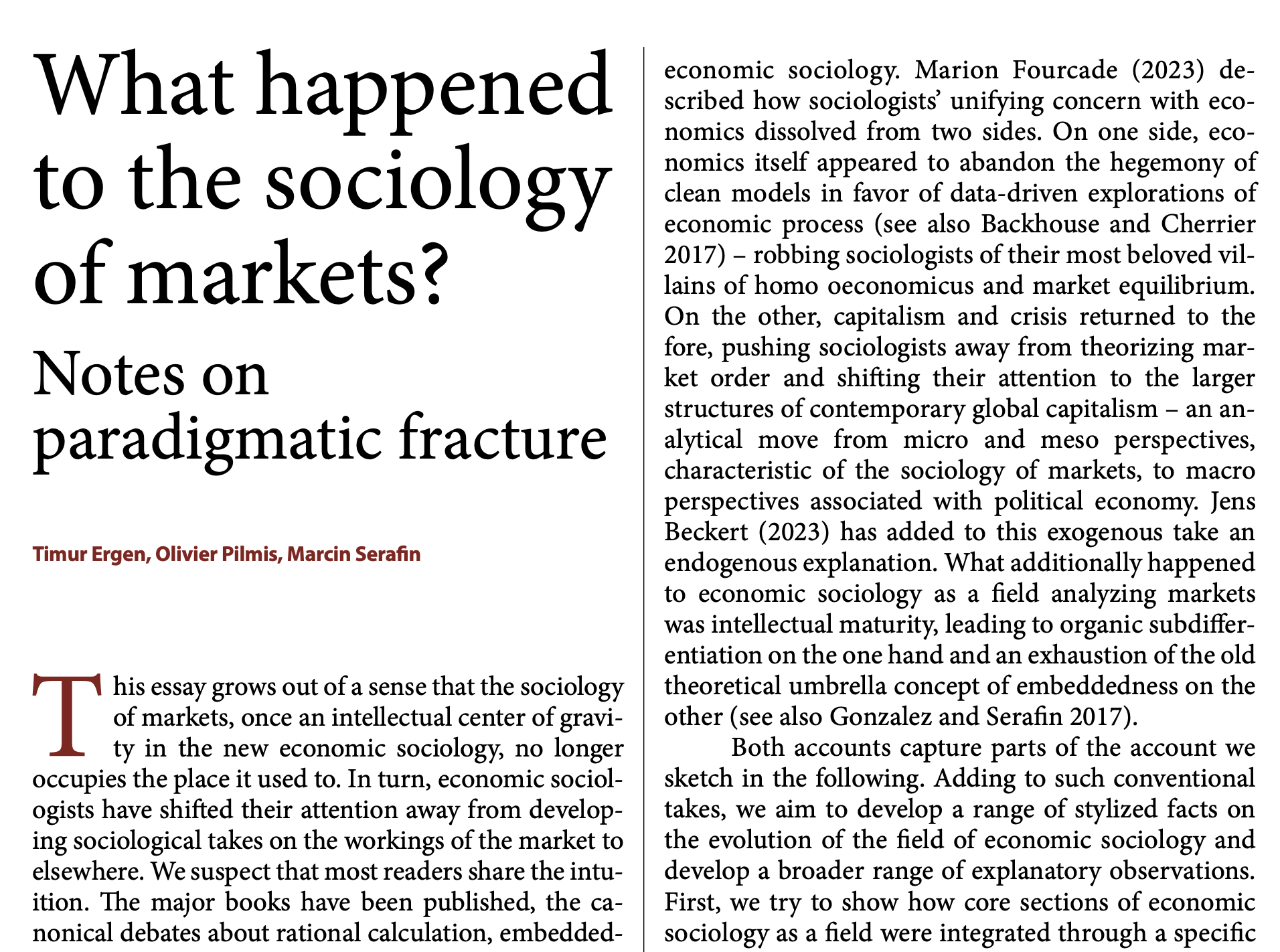
This essay grows out of a sense that the sociology of markets, once an intellectual center of gravity in the new economic sociology, no longer occupies the place it used to. In turn, economic sociologists have shifted their attention away from developing sociological takes on the workings of the market to elsewhere. We suspect that most readers share the intuition. The major books have been published, the canonical debates about rational calculation, embeddedness, and the social order of markets have been had, and much of the most exciting work in economic sociology today seems to take its energy from places other than fighting the hegemony of mainstream economics.
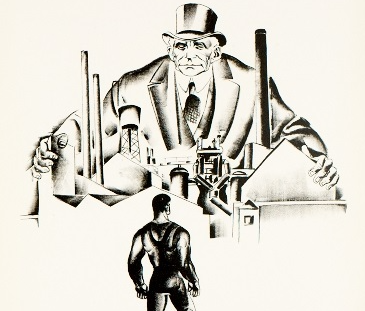
This course examines the major political-economic controversies of modernity: the origins of capitalism, the role of politics in liberal economic order, and the relationship between capitalism and democracy.
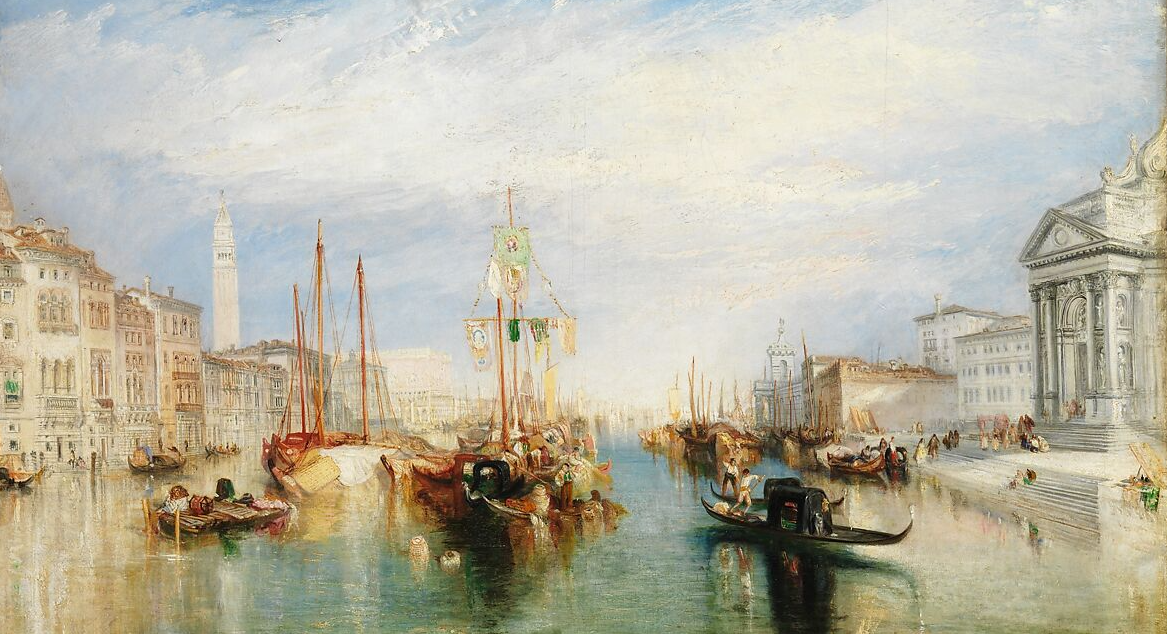
This seminar aims at providing students with the analytical and conceptual tools to study markets. The conceptual texts and case studies provide insights into different approaches in economic sociology, featuring sessions on recent developments in the economy.
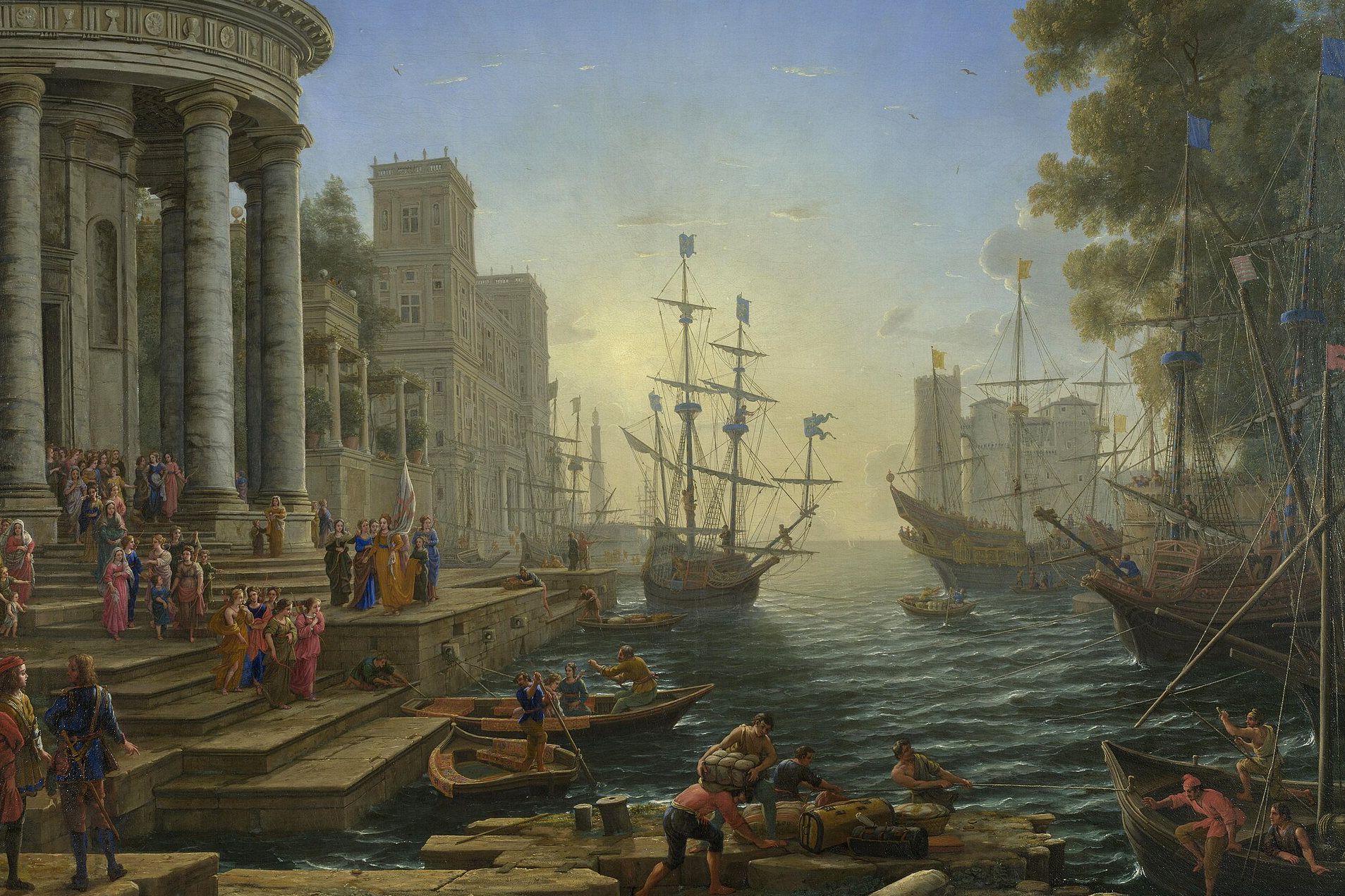
This seminar discusses the historical development, organizational structures, and societal impacts of multinational corporations, examining their role in global capitalism and their governance.
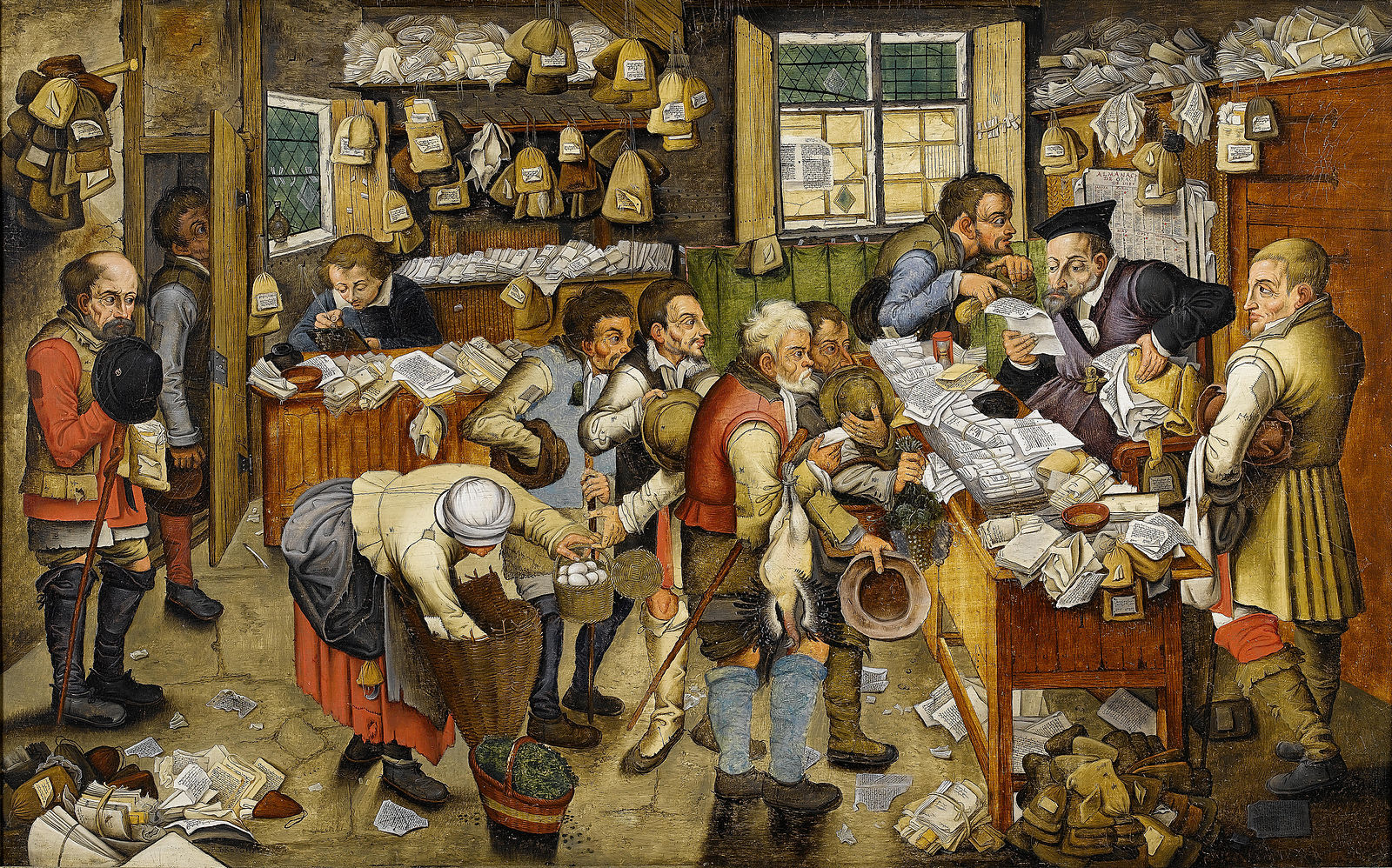
The seminar focuses on recent debates on the interrelations between economy and society, building on foundational controversies. It examines economic action, market constitution, and analyses of credit, money, finance, and crises.